

Door locks are the parts of the doors that keep you safe. They ensure that you don’t accidentally expose yourself to harm in the form of burglars or robberies. There are many standard door lock problems and repairs that you may engage in. Many recommend hiring a locksmith as soon as you face any major problem. However, these locksmiths can be expensive even though their services are some of the best.
In the article below, we will mention the most common door lock problems that you may encounter and repairs that you may apply for them.
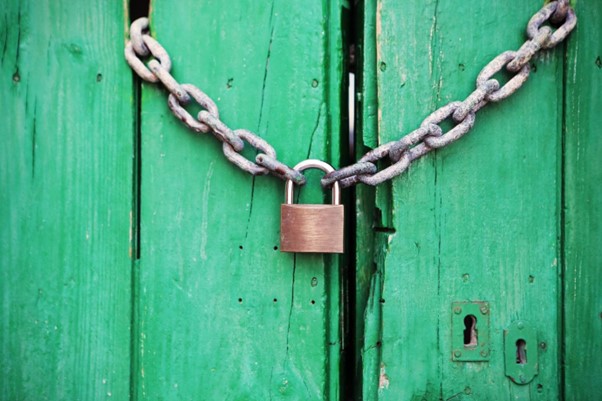
Common Door Lock Problems
1.
Latch Misalignment or Lock
Doesn’t Latch Properly
The striking plates on the doorframe and
the entrance latch are typically out of contact whenever a latching mechanism
will not click into place. Then, modify the strike plate by releasing its nuts
and adjusting it gently after tightening the door hinge fasteners. The extent
of a latch restoration might range from such a slight adjustment to moving the
door.
Shut the door gently and observe how the
clasp bolt connects with the strike plates if the latching doesn’t catch. The
strike plate’s clasp mechanism may be in a direction that is partially centred
with the plate.
With time, many doors, particularly
hardwood ones, can stretch, bend, or get worn, leading to an asymmetry between
the latching and the striking plate. This may result in the lock sticking or
preventing it from operating correctly. A competent locksmith can relocate your
doorway, adjust the latching concerning the striking plate, and restore proper
operation.
2.
Disturbed Locking Mechanism
The locking mechanism is frequently the
cause of a door not locking or unlocking when the key revolves in the lock.
Take it apart and get a peek yourself to check if you find any little worn-out
or damaged pieces if you’re skilled with a tool and DIY.
However, fixing a broken locking mechanism
is typically a specialist’s job. Therefore, you’ll need a seasoned locksmith to
fix it. Locks could be maintained, fixed, and revived if the harm was not too
severe. If you cannot repair the lock, we can replace it with a new unit.
3.
A Loose Door Knob
With time, doorknobs might become loosened.
The kind of lock will determine how to tighten the locks. A straightforward
inside mortise lockset can be used to tighten the lock.
Please match up the handles along either
end of the door, secure them with temporary tape, or ask someone to grip them
as you adjust the bolts. After making sure that the doors are perfectly placed,
tighten the nuts until they are level with the knobs, repairing any damaged.
If that doesn’t work, take the door handle
off to inspect the spindles; if it’s damaged, it must be replaced. It is
advisable to restore the lockset totally if it deteriorates throughout.
4.
Broken Key in the Lock
When the key becomes trapped in the lock,
that is another frequent issue. Unfortunately, many people will attempt to
break the lock, which can result in irreversible damage, rather than leaving
the key in place or withdrawing it.
Try to grasp the key with needle-nose
pliers and pull it out straight. If using needle-nose pliers doesn’t work, try
inserting a drafting saw knife with the teeth’ external position into the
groove and attempting to catch and pull the keys away. You should remove the
locking cylinder if this fails to work. Yank the keys away from the chamber by
inserting a firm cable into the camshaft groove at the rear of the chamber.
The entire lock must be machined and
repaired if the key fractures, which might be expensive. As a result, if your key
becomes jammed or the lock won’t unlock, consider gently removing it before
calling a professional. Instead of cutting out the mechanism, experts would be
able to attempt to fix it or dismantle it and restore it.
5.
Faulty Doorframe
Main doorframes and doors can deform with
time, much like locks will after several years of usage, which can lead to
problems with your latches and securing mechanism. A locksmith can adjust and
reinstall your doors, components, and hooks to give decades of operation rather
than waiting for the problem to worsen, which could harm your locks past
restoration.
6.
Wear and Tear of the Locking
Mechanism
Most locking mechanism issues result from
malfunctioning mechanisms brought on by everyday wear and tear. The security
systems will likely be utilized dozens, if not hundreds of days a year,
regardless of whether or not you’re home. Like all mechanical systems, a system
can collapse or become blocked if its components experience severe wear.
Your bolts may signal that things could go
awry at any time if they begin to catch,
Common Repairs for Door Lock Problems
1. Lubrication
Did your lock get jammed? Look for some lubricant like an oil or a chemical like WD-40, and apply it to your lock to loosen up your jammed lock. If the lock starts working, then you may use the lock again. However, it would be best if you still got the locksmith for a check-up.
2. Tightening the Looser Parts
Sometimes, it is as simple as getting a screwdriver or wrench and tightening up all the odd ends and bits that remain in your door knob. However, if you see that the fasteners are broken, you may have to hire a third party to help you replace the whole lock.
3. Fix the Keyhole
The keyway or the keyhole is where debris and dirt can accumulate on most occasions. You may not always know how to diagnose an issue with the keyhole, so there may be attempts at jamming the key in before you notice where the issue is. All you need to do is blow some heated air into the keyhole so that any debris gets blown away. You can also try lubrication.
Final Thoughts
Door lock problems are relatively common and generally easy to handle. All you must do is take inventory of the issue and see how well you can mitigate it. If the mitigation is too tall of an order, you can always hire a locksmith company.



No comment yet, add your voice below!